 (Image via
Getting your driver's license is basically the ultimate ticket to freedom. Suddenly, the whole world opens up, or at least the part of the world that you can reach before your curfew kicks in. But unless you have a money tree growing in your backyard, buying a brand-new car right off the lot probably isn't happening. That is where the magical world of used cars comes in. Buying used is a super smart financial move because you let the first owner take the big hit on depreciation, which is just a fancy way of saying the car loses value the second it drives off the lot. However, the used car market can feel like a jungle full of predators waiting to pounce on an unsuspecting buyer. You have probably heard horror stories about people buying a "great" car only for the engine to explode a week later, or worse, getting scammed out of their savings entirely. Navigating this process requires a mix of detective skills, patience, and a healthy dose of skepticism. But don't worry, because spotting a diamond in the rough is totally possible if you know exactly what to look for and what to run away from.
Becoming a Price Detective
Before you even step foot on a car lot or meet a stranger from the internet, you need to know what you are looking for and how much it should cost. Knowledge is your best weapon against getting ripped off. If you go in blind, you are an easy target for a smooth-talking salesperson or a shady private seller. Start by using online resources like Kelley Blue Book or Edmunds to figure out the fair market value of the cars you like. These tools let you plug in details like the year, make, model, mileage, and condition to give you a realistic price range.
Once you have a baseline price in your head, start comparing listings in your area. If you see a car listed for way less than what the guides say it is worth, your alarm bells should start ringing immediately. A super low price is rarely a gift from a generous stranger; it is usually a sign that something is seriously wrong with the car or that the listing is a fake designed to steal your information. On the flip side, knowing the fair price helps you spot when a seller is asking way too much just because they have an emotional attachment to their old ride. Being a price detective means you can walk into a negotiation with confidence because you have the facts to back up your offer.
The Exterior Inspection
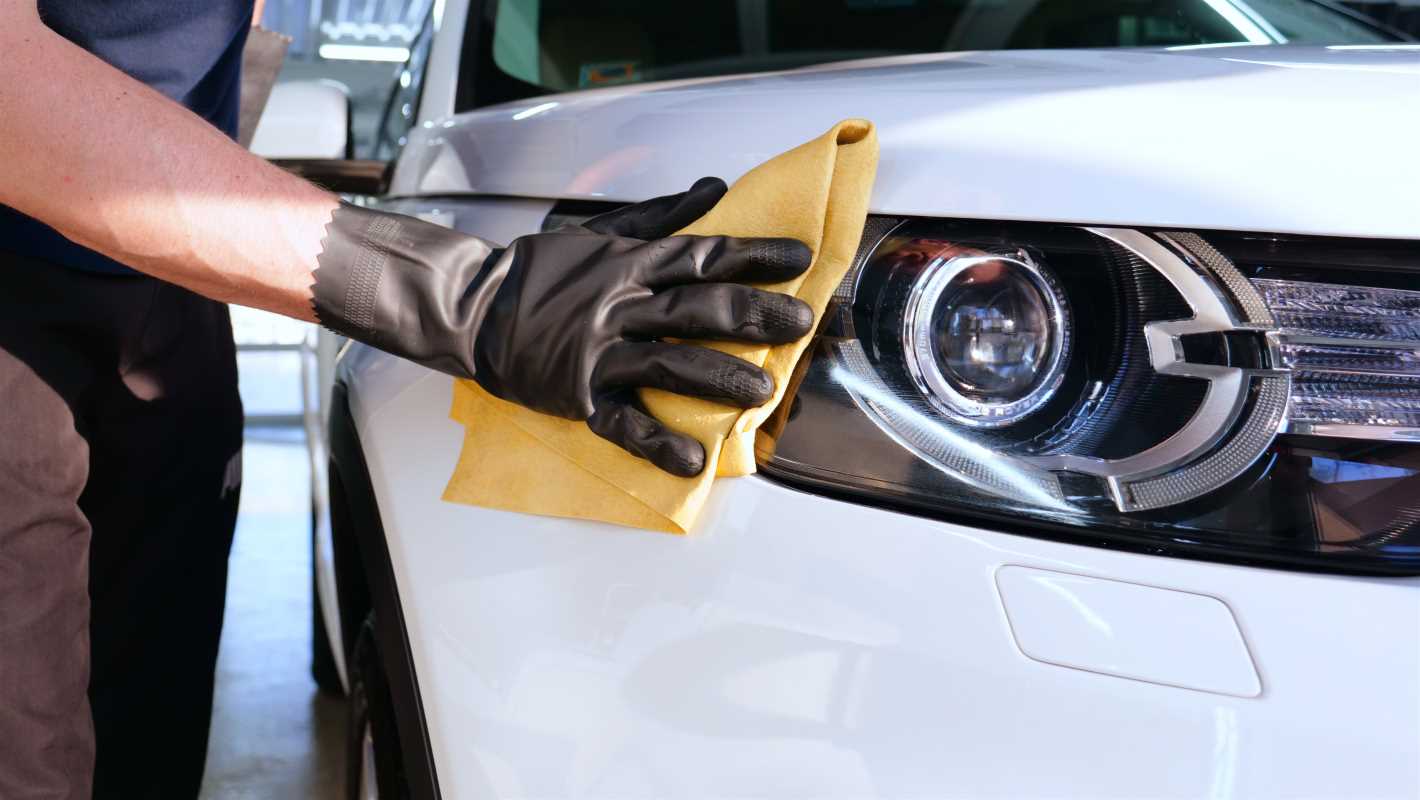
When you finally go to see a car in person, do not let excitement take over. You need to look at this vehicle like a crime scene investigator searching for clues. Start by walking around the entire car and looking closely at the paint. You want to see if all the panels match in color and texture. If one door looks slightly brighter than the rest of the car, or if the paint feels rougher in one spot, it is a strong hint that the car was in an accident and had some bodywork done. You should also look at the gaps between the doors and the body of the car. These gaps should be even all the way down; if they are tight at the top and wide at the bottom, the frame might be bent from a crash.
Don't forget to crouch down and look at the tires. They can tell you a lot about how the car was treated. If the tread is worn down unevenly, it might mean the car has alignment issues or suspension problems, which can be expensive to fix. Also, check for rust. A little bit of surface rust on an old car is normal, but if you see bubbling paint or holes in the metal, especially near the bottom of the doors or the wheel wells, that is like car cancer. It spreads and is very hard to stop, so a rusty car is usually one you should walk away from.
Peeking Under the Hood
You do not need to be a master mechanic to spot trouble under the hood. Pop that hood open and take a look at the engine. It doesn't have to be sparkly clean, but it shouldn't be covered in fresh oil or thick sludge. Look at the hoses and belts to see if they look cracked or frayed. If they look like old rubber bands that are about to snap, that means the owner hasn't been keeping up with maintenance.
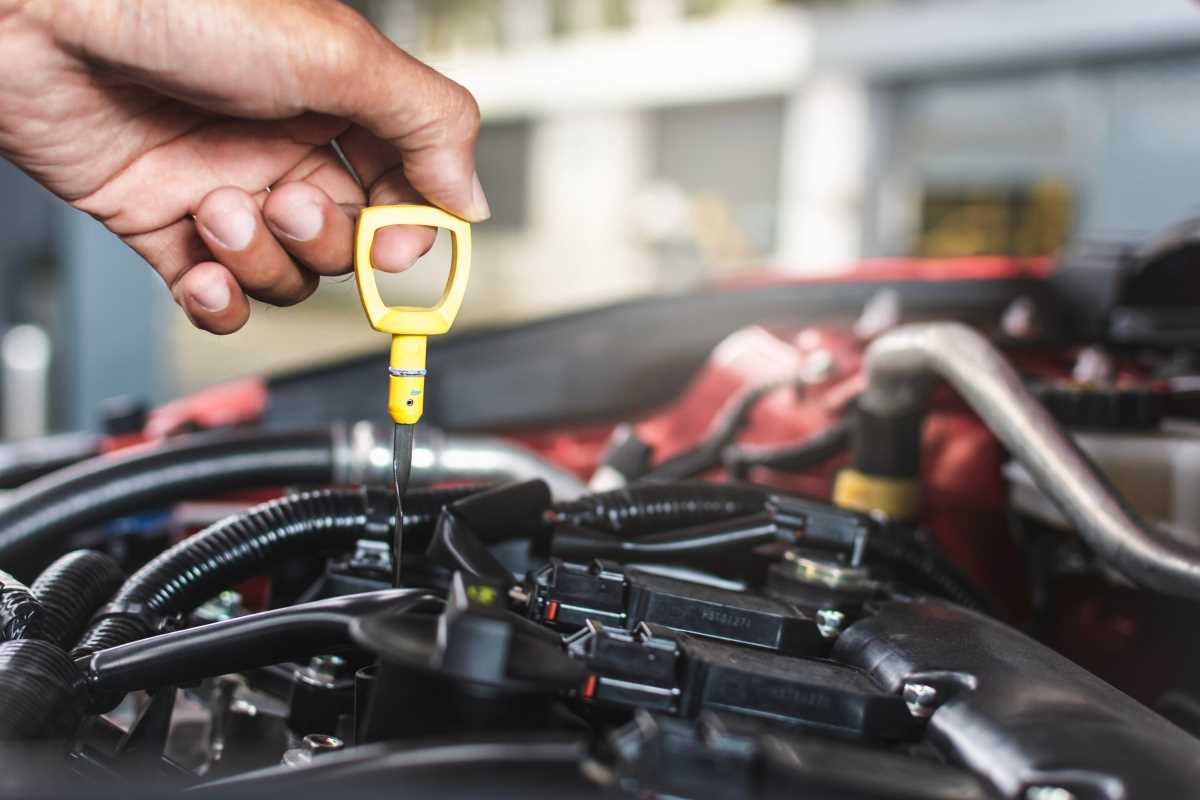
One of the most important things you can do is check the fluids. Pull out the oil dipstick and wipe it on a rag. The oil should be an amber or brown color. If it looks milky or frothy, like a chocolate milkshake, that is a disaster sign meaning coolant is leaking into the engine, which is a massive repair bill waiting to happen. You should also look at the transmission fluid if possible; it should be pink or red and smell sweet. If it looks dark or smells like burnt toast, the transmission is likely on its last legs. These simple checks can save you thousands of dollars and a lot of heartache down the road.
The Truth Is in the Test Drive
The test drive is where the car really reveals its secrets. Before you even turn the key, turn off the radio. You want to hear every squeak, rattle, and clunk the car makes. Start the engine and listen for any ticking or knocking sounds, which are bad news. As you drive, pay attention to how the transmission shifts. It should be smooth and seamless. If the car hesitates, jerks, or clunks when it changes gears, that is a major red flag.
Take the car on different types of roads if you can. You want to see how it handles bumps and how it accelerates on the highway. When you are on a straight, flat road, loosen your grip on the steering wheel slightly. The car should drive straight. If it pulls hard to the left or right, it could have alignment issues or previous accident damage. Also, test the brakes firmly. They should stop the car smoothly without any pulsing in the pedal or squealing noises. Don't be afraid to push the car a little bit during the test drive; you need to know if it can handle the stress of daily driving before you hand over your cash.
Reading the Paper Trail
A car can look great and drive perfectly but still be a nightmare if the paperwork isn't right. You absolutely must get a vehicle history report using the car's Vehicle Identification Number, or VIN. Services like Carfax or AutoCheck can tell you if the car has been in major accidents, if it was ever a rental car, or if the mileage has been rolled back. This report is like a background check for the car.
One of the scariest scams involves something called "title washing." This happens when a car has been totaled by an insurance company because of a flood or a bad wreck, but the seller moves the car to a different state to get a new, clean title that hides its history. The history report can often catch this by showing you where the car has been registered over the years. Never buy a car if the seller says they "lost" the title or if the name on the title doesn't match the person selling it to you. That is a classic sign of a stolen car or a scammer trying to sell a car they do not legally own.
Avoiding the "Too Good to Be True" Scams
The internet has made finding cars easier, but it has also made scamming people easier. You need to be on high alert for certain red flags. If you find a car that is priced way below its value and the seller gives you a sob story about why they need to sell it fast—like they are being deployed overseas or going through a divorce—be very suspicious. Scammers use these emotional stories to make you rush into a decision without thinking.
Another huge warning sign is if the seller refuses to meet in person or let you inspect the car. They might say the car is in a shipping container or a warehouse and promise to ship it to you after you pay. This is always a scam. Never, ever wire money or use gift cards to pay for a car you haven't seen. Once that money is sent, it is gone